Seattle-based Low has diminished the breakneck pace of the rock'n'roll dream. Even while their music is sped up to twice the tempo, vocals fail to ring like cheery chipmunks (one way to test for slowcore). Two full albums at double-speed could fit on the same vinyl LP without forcing analogue sound or stressing plastic microgrooves. Their latest A-side, No Comprende, is like that.
Bands flare up like flash fires to drift into obscurity like ashes, but Low has maintained a consistent moderate pace for two decades. So pushing harder and faster might throw off the chemical balance, or shift creativity out of place, adversely affecting the band's indie rock longevity. In other words, faster ≠ better.
Other titles through Sub Pop are The Invisible Way, Drums and Guns, and C’mon. Their latest single No Comprende is a perfect example of how a well-crafted slowcore single should sound. Notice how the matchstick refuses to quit.
I hate that word. The most appropriate is anything that uses the word minimal in it, but I don't think anybody's made one up for that.1
Minimal indie rock fits, but so does the indie rock subgenre slowcore as a type of anti-hardcore (or anti-genre). While minimal music actually relates general aesthetics, styles and techniques which frame the subgenre. Classification then details the movement as a particular subdivision of indie rock. Listeners use genres to find music—like a card catalog. Sparhawk may scorn the label, but his original intention was slow, sonically stripped indie music:
Of the bands grouped into sadcore and slowcore classifications by critics in the early '90s, none were slower—or perhaps sadder (though Red House Painters might win that contest)—than Low. The band's roots lay in a live prank pulled off by guitarist/founder/singer Alan Sparhawk's pre-Low band Zen Identity, in which the band performed a set of excruciatingly slow, sonically stripped, low-volume songs to a grunge/alt-rock-hungry audience. Reaction notwithstanding, Sparhawk liked the musical result and formed Low to carry out this vision. His wife, Mimi Parker, took a brush-and-stick approach to a drum kit consisting of a floor tom and a single cymbal. Bassist John Nichols rounded out the lineup...2
Slow tempo inspired his vision, and with that characteristic slowness came the music press's appropriated subgenre label—searing like a branding iron. Low shoots slow-mo spitballs in the same classroom with Galaxie 500, Codeine, American Music Club, Red House Painters, Seam, Idaho, Karate and Nina Nastasia. For example—thanks to the subsonic association—Codeine fans are made aware of other protracted bands, including Low. So the inherently ambiguous genre label is two-edged. Helping potential fan$ taste test sonic categories first at YouTube, MySpace and SoundCloud. While the same label might also stereotype a band, failing to accurately represent the particulars of their sound. Right about when that shifty little slowcore label receives contempt from both artist and fan.
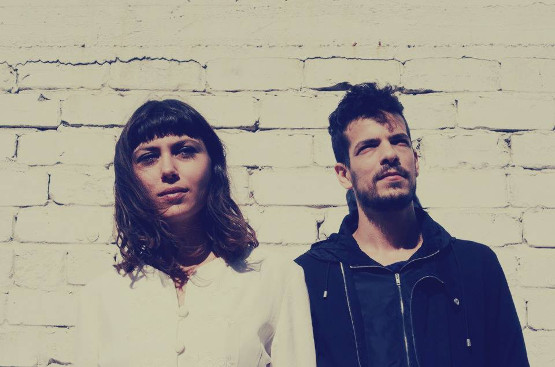
orig. image by Yonatan Birenbaum, assisted by Adam Cohn
[indiessance]
Radio EPGB (a venue which hosts local musicians) plays a role in establishing indie music in the coastal city of Tel-Aviv. Becoming a local hub for non-commercialized alternative sounds. One common bond the city's diverse gathering of genres seems to share are electronic musical elements. But Bill and Murray quickly grew out of the local scene to tour other countries, and opened for artists like Gary Numan, according to Indie Rock Cafe.
Could you share some details about how the band evolved? Which might include influences of the Tel-Aviv indie music scene, as well as changes that marked the bands evolution. How does the bands current style reflect local musical influences?
[Stella]
I first met David when he was playing with his band LeChuck. After some digging i found out that he has a long past of forming in different bands and solo projects and that he is actually a well known figure in the Tel-Aviv underground music scene (ED, the Good band and more..).
I felt like there's a good chance for an interesting musical collaboration and contacted him. We started bringing songs for home rehearsals and very fast started playing small shows and recording our stuff. We decided we want to approach our music in a different way then we used to and brought a drum machine and a keyboard. We both come from Rock music and Rock bands so it was very refreshing to work with very specific sounding machines. After a year or so we decided to add a drummer to the band, to give our shows some power and enrich our sound. Ran Jacobovitz was the perfect match. He is a big 80's fan, big snares and shiny hooks. Living and performing in Tel Aviv, we did not yet come across a band that plays the kind of music we play but there are many good band that might have inspired us in subtle ways.
[indiessance] Rabbit Hole, the title of your latest EP, is an excellent indie track which I found featured at Indie Rock Cafe. Another is The Silence Grows, which also resonates. What is the meaning behind each of these two songs? For example, are there any particular ideas or events which inspired them? How have underground music fans responded to your new songs during live performances?
[Stella]
Thanks, Rabbit Hole's lyrics are about a feeling of extreme confusion as a result of trying to make sense of things and eventually realizing that the only way to stay sane and functional is accepting the paradox that reality is surreal and you might as well just step in to the rabbit hole and see what happens.
The Silence Grows tells the story of an irresistible force between two elements,
a force that is indifferent to pain, anger and heartbreak, the kind that, over time, mutes everything and leaves nothing but a deafening silence.
Since we perform quite a lot in Tel Aviv we think our audience is probably happy to hear some new songs evey once in a while.
Bill and Murray: Rabbit Hole
Stella Goshtein's whispery vocal on Bill and Murray's latest Rabbit Hole EP expresses a woman testing her footing in a tunnel to the unknown; cavernous reverb captures the metaphor. Life reaches valleys of decision; surreal at times, as hearts and minds adjust to new challenges—even trials. The album cover seems to trace a circling path superimposed over a grainy Middle-Eastern sky.
Stepped into the rabbit hole
Just to see where the tunnel goes
The Radio EPGB located in Tel Aviv started as a hidden place with very limited PR. The idea was to create the perfect venue that would become a hub for underground and indie electronic music and a place for an eclectic mix of listeners in search of great sounds.—Ariel Klachkin (co-owns Radio EPGB)
Indie synth music is well-represented by Bill and Murray's previous track, Something to Fear. The band emerged out of Tel-Aviv's indie rock underground, at venues like Radio EPGB—literally situated underground and nestled with an old synagogue. Facilitating Independent Music's disownment of formulaic generic commercial pop to remain a leading venue for the local indie scene. And like CBGB, EPGB features many up and coming local bands—who share the basement stage with popular local DJs. Frequently indulged by a modern manifestation of beatniks who don't wear French berets, but continue to defy convention like their bongo beating brothers of the early 60s.
For young people, American popular culture offered a medium through which to distance themselves from the parent generation and the norms of the establishment. One can speak of rebellion in a series of phases: the rock'n'roll rebellion of the 1950s, followed by the beatnik rebellion of the 1960s, culminating in the flower power revolution of the late 1960s and early 1970s. Likewise, the interest that dates from the 1980s in urban underground cultural media such as rap, hip-hop, and graffiti can also be seen as an example of youth rebellion.1
Josephine, co-writer for London-based songwriting couplet Oh Wonder, layers the honey sweetness. While Anthony lays down the rich texture for their alt-pop hit, Heart Hope, which helped them become an in-demand band, loved for their monthly tracks. Using SoundCloud for song send-offs, the two exploited the subscriber mindset of social media. Fans depending on digital events to break the monotony of life; the weekly television series, now, the scheduled music release. Since technology allows musicians to write/record/release all in a day, it is only a matter of time before more good songwriters schedule just-recorded releases of full singles straight out of their home studios. This suddenly famous DIY-duo has proven the inevitable. New listeners become intimate with tracks incrementally, while the immediacy of fresh releases quickly builds interest for tours—attracting spontaneous fans to venues. Embedded audio players become digital middlemen.
Placed above a piano is a handwritten bucket list, of sorts. A little list of goals, it contains a series of aims that Gucht and West set out to achieve as a career. One aims to be in-demand songwriters, respected for our art. And that's how Oh Wonder started - as an exercise in songwriting.1
Realizing the quality of their music, Oh Wonder, should no longer wonder why they are suddenly in-demand; after being written, that phrase became a decree. If a song resonates hope deep within the heart of its listener, a deposit is left. We need a britpop message of hope deposited there. Beautiful songs resonate in the spirit even more than in DNA. Which may help explain why a growing fan base is all ears for songs which lead to record deals and world tours. Contributing to the surreal enchantment of sudden fame which now occupies the imaginations of the twosome. By virtue of instinct and intuition, they defied cerebral music; bypassing minds to target hearts where hope resides.
[indiessance]
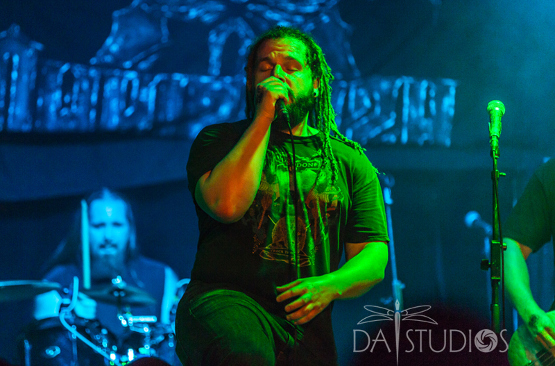
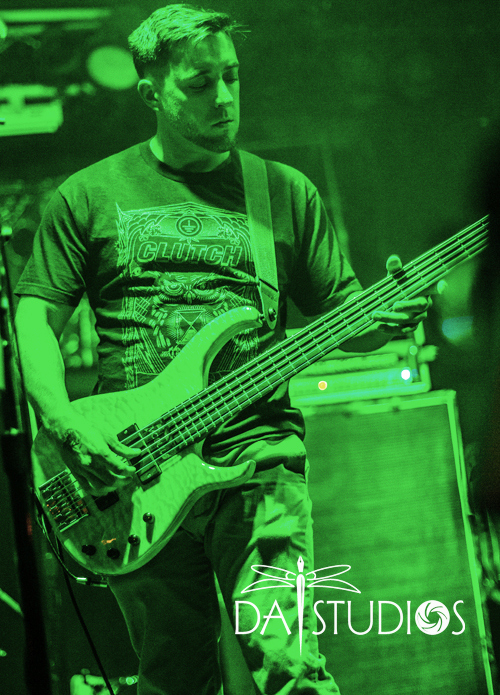
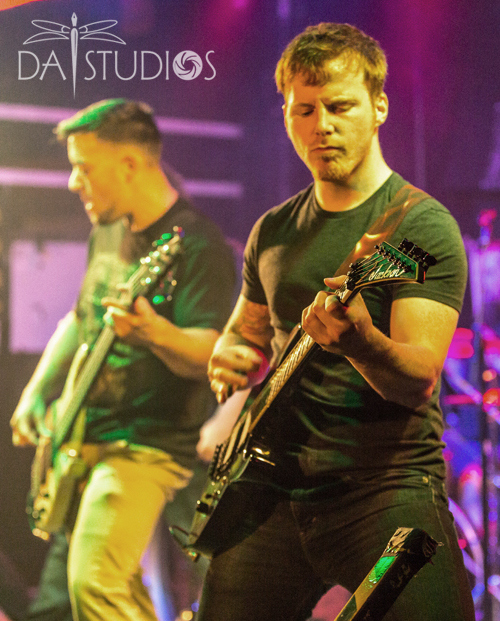
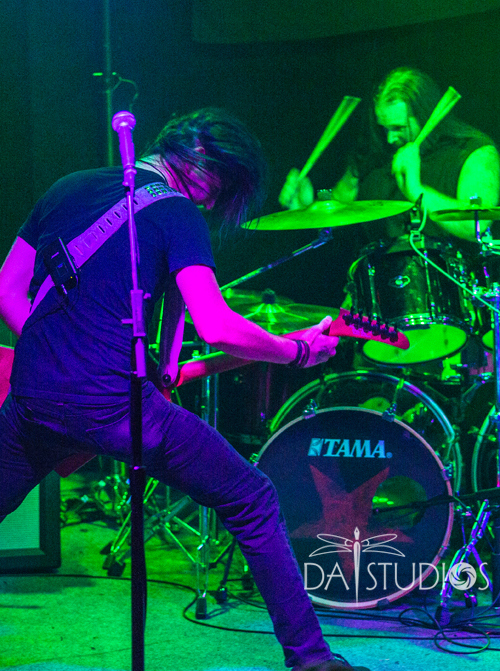
During a 98 ROCK interview Josh, Alden and Tim covered the band's 2009 hiatus—which had nothing to do with time off. A sonic reconstruction project followed the departure of two guitarists who moved on to pursue other projects. Then Alden and Jarred restored the missing guitar section. Replacing main guitarists of a metal band must be akin to subtracting from, then adding to a chemical composition.
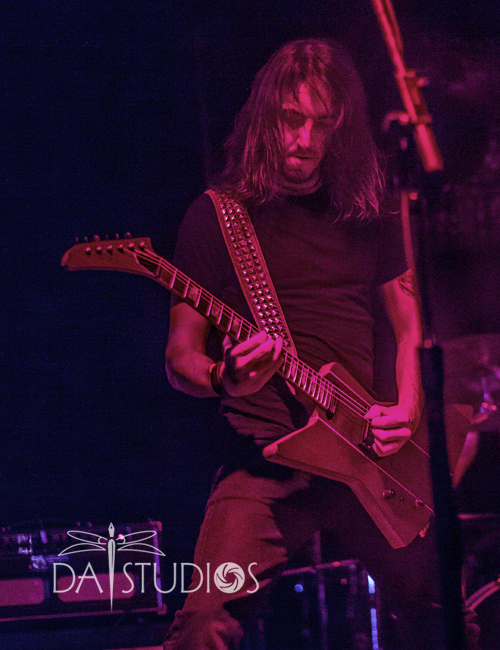
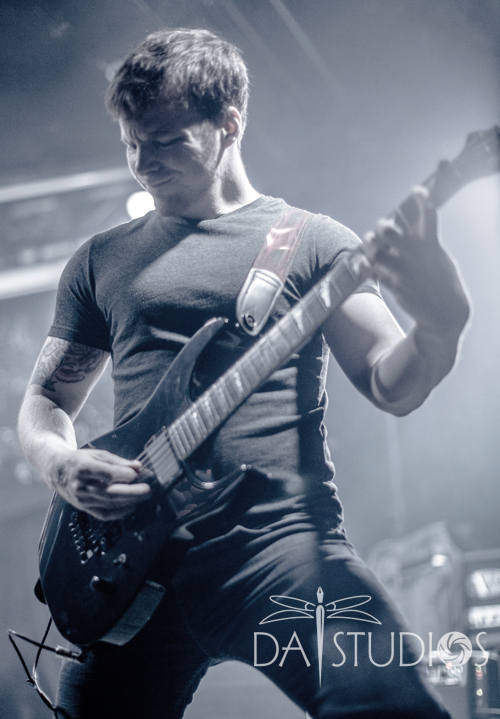
Considering that Jarred is a former guitarist of Anubis Unbound. And Alden's guitar playthrough demonstrates how he attacks Ghost. Seventh Seal made an awesome band member exchange.
Which key technical aspects affected the band's post-2009 metallic reformulation? For example, as the new sound crystallized, did Alden make any specific equipment changes or style changes? In the 98 ROCK interview, Josh mentioned how tracks were recorded in a home studio, then sent out to be mixed. Facts like that carry interest. And what about technical transformations of vocals, bass and drums? How is SS doing things differently now, as compared to pre-2009?
[Josh]
Man, that's an awesome and insightful question! The years between 2009 and 2014 were very transformative in so many ways! I've also been working on another project called Vestascension, and I was actively exploring other ways to use my voice during that time. I feel that that exploration really changed the way I approach vocals and song writing in general. In the older material, the vocals always kinda came last, after writing out the guitars and the rest of the music. During this writing process, they definitely happened in tandem, and in some cases the vocal writing actually effected the way that the final songs were orchestrated.
To record the vocals, I did a ton of research and decided to buy a decent preamp, and a couple good microphones. Then, I just recorded all of the vocals at my house on nights and weekends. Once I had a good set of takes that I felt deserved to be on the record, I'd send out demos to the guys via email, and they'd give me feedback on everything. I'd usually make a round of revisions to the vocals depending on what they thought, and then I'd send them all off for mixing. It was nice because we all decided to work this way eventually. Since we had access to all of our own recording gear, we could work out ideas, send them to the group for review, and then revise them and iterate on them based on the overall feedback.
The guitar approach, and transformation is kinda interesting. Alden and I wrote most of the guitars on this album, while the other parts we didn't write were leftover riffs and parts that had been worked through with previous guitarists. I think we were able to establish a decent chemistry by writing huge chunks of the album together in a room. The writing process was extremely iterative as we'd refine the songs and parts from week to week. We're hoping to involve Jarred more in the writing process moving forward, by the time he joined up with us, about 98% of the guitars were finished for the record.
[Alden]
Yeah, the combination of riffs and ideas that went into this album…it's pretty crazy, actually. Joe and Justin (previous guitar players) recorded the guitars on the songs Black Skies and On This Day, so when I joined the band in 2010, we had two fully completed songs and then just a totally blank page to write the rest of the album however we saw fit. There were existing riffs and demo ideas that we modified, changed and put our own individual spin on, riffs that had been floating around in Josh's head for years and had never been committed to a song, and of course we wrote tons of all new riffs and ideas and mixed it all together. I think that the album flows incredibly well, but when you think about the time that passed between completed songs, and the different people and styles that went into creating them…it's kind of amazing that it all fits together as well as it does.
In terms of the overhaul of guitar players and the change it brought, of course that was a huge alteration to the chemistry and sound of the band. I feel that Seventh Seal has always had a very strong guitar identity throughout the years, and the great thing is, everyone who has ever played in this band put in a lot of effort to find their own sound and to bring something unique to the music. Jarred and I are a very different guitar duo than, say, Joe and Justin were. But this band has gone through changes with every new release and every new chapter, and no two guitar players in the group's history have ever really been alike. So, while losing two guitarists at once back in 2009 was absolutely a heavy change, and could have easily been a killing blow for Seventh Seal, I think it was just another opportunity to welcome a whole new style and sound all over again and start fresh. I think that, after I joined full time, and we spent a few weeks going over ideas, we all felt this huge excitement, this feeling that we had total freedom and could go in any direction we wanted. The band went through a complete evolution.
I have huge respect for every past member of this band, and I'm just very happy to now bring something different to the table in my own way. Jarred and I are having a blast live, and I really appreciate your compliments, too.
[Tim]
As far as drums go, this album was my first time on a Seventh Seal record! We ended up capturing MIDI from my performances on a Roland e-kit, and utilized ToonTrack's Superior Drummer for the sound and mixing. It was the most convenient way for us to track and edit these drum parts, and keep everything sounding consistent, since we were writing and recording so much of the material at various stages.
[Josh]
Tim's actually a founding member of the band! He's played on and off with the us over the years, but this is the first time he's actually on a record. Having played with him so much over the years really helped with the chemistry of writing as we worked through all the material.
For bass, Nate just killed it! He always does, and he pretty much had free reign to do what he wanted. I still remember the first time I heard what he tracked for Interlude... there is just so much emotion in that take!
After everything was recorded, we decided to send the tracks out to Drew Mazurek, mainly because he's an absolute beast when it comes to mixing, but also to have another ear that wasn't involved in the tracking to mix the record.
[Alden]
Drew's involvement was one of the main reasons we were able to have these songs fit together into a cohesive album, I think. He really helped to glue the album and the overall sound together.
[Josh]
Overall, I think we tried to push ourselves as much as possible with our playing and writing on this material, while not losing the song. I think too often, it's easy to get caught up with technical details of playing which can lose the feel and emotion behind what you're trying to convey. We're really happy with how it all turned out.
[indiessance]
The symbolism of ghosts as our former selves is used in the lead track. The Seventh Seal home page reads:
The central theme of the album focuses on the changes we face and live through during our time here - The Ghosts Of What We Are, in this case, representing the shadows of our former selves that still resonate within us, even as we continue to grow. Deeds, feelings and memories that follow us through our path in life, both haunting and encouraging us along the way.5
SS has gone through a transformation during the last five years which included leaving its former identity behind. In that sense, could the ghost metaphor also apply to the band as a collective self? And were there any individual experiences that might relate the metaphor?
[Alden]
Absolutely. The years leading up to us releasing this new album were quite heavy in a lot of ways, emotionally. In 2010, I lost the most important person in my life, 7 months after joining Seventh Seal. My entire meaning and life changed in an instant. I've never been the same since and that's a very powerful part of who I am. A lot of time passed during the writing of this album and I know we all went through highs and lows, which in turn affected our creativity in different ways of course. So, for me, the themes in the album are actually incredibly accurate to the things that we were dealing with while writing and recording, both as a band and as individuals.
[Josh]
Definitely. In 2009, when we were looking at really deciding whether or not to continue, I finally really saw how much this project means to me personally. Over time, it became apparent to me that I really needed to continue making music in Seventh Seal, if for no other reason, then to just keep creating. The metaphor seemed to work so well, on so many levels, it was almost creepy! The amount of change that took place in the band and in our personal lives really helped to drive our creativity while making this album.
[indiessance]
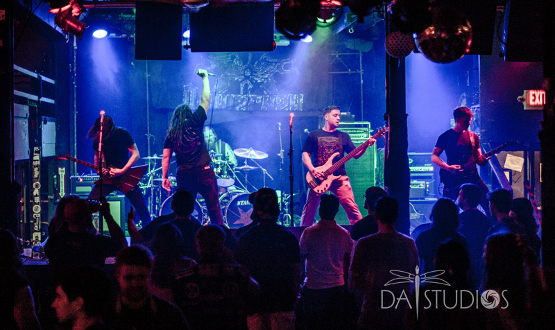
In July, Seventh Seal performed at a Noise in the Basement show; at the well-known Ottobar venue.
Since its inception in 1997, the Ottobar has consistently booked up to 100 local and national bands a month, primarily in the rock/punk/rap genres. The club is well known around the country...6 [international bands as well]
With thirty days to work with, it seems amazing that one venue could maintain such a breakneck pace. While 98 ROCK was also plugging shows, and NITB was booking them.
One Baltimore music blogger reminisced, It was awesome hearing Isomorph live again. Which gave me the impression that SS has a good number of fans who remained loyal. Is that something Baltimore fans are known for? With that kind of support, how has the band's return from its hiatus gone? Including 98 ROCK's contributions. What experiences has the band had with fan response since its return?
[Josh]
The Ottobar is such an amazing Baltimore venue! And having Noise in the Basement there on a regular basis was something that we were truly lucky to have access to.
[Tim]
Baltimore has been a great city to be based in. The music scene has been good to us over the years. When some of our fans found out that we got together to test the waters, the excitement started to brew. It's been overwhelming the support our fans have given us. It reminds us of why we play music.
[Alden]
The Ottobar is awesome. That place has such a vibe and atmosphere to it, and I think Baltimore has a really strong and passionate local music scene. There are a huge variety of styles and a lot of really talented musicians around town, and to have had the support from Matt Davis and 98 Rock the way we did for so long, it was a huge opportunity for all of the bands who were trying to get something going. Noise In The Basement was the top local music event for Baltimore bands for years, and a lot of us wouldn't be where we are without it.
I think our fan base is really great. We've made a ton of new fans with this latest album, but a lot of people have stuck with Seventh Seal throughout our various changes and styles over the years, too, and that means so much to us. And I'm really happy that we played Isomorph at the last show, too. That song closed the majority of Seventh Seal shows for YEARS, so it's about time we played it! We've been pushing the new material so hard since releasing this album, so this was actually the first time I performed an older Seventh Seal song with the group.
Seventh Seal: Ghost
Maryland-based Seventh Seal's The Ghosts of What We Are (2014) represents experimentation in metallurgy involving the re-formulation of musical style including progressive elements. While some heavier metallicity remains as a vestige of their traditional sound.
The album's first minute features a hollow spacey guitar effect; setting the stage of an empty haunted house. Suddenly silence is busted up by percussive bursts of violent flashbacks. The A-side, Ghost, becomes a visceral metaphor for introspection. Our former selves never leave; they nobly transform, as tribulation's destructive bricks become character's building blocks. Flesh submits to its curse, but the essences of men—their ghosts—develop perseverance to overcome.
The shadows of what I used to be follow me
The ghost inside of my heart and mind still believes1
Seventh Seal - THE CROWN Studio Report - Drums
The metaphorical ghosts are the shadows of our former selves that still resonate within us, even as we continue to grow. Deeds, feelings and memories that follow us through our path in life, both haunting and encouraging us along the way.2
There is a idiosyncratic relationship between formulaic songwriting and the subconscious minds of its listeners. Sound which deviates too far from its recognizable pattern becomes an unknown, but if it feels too commercial, again, listeners mentally tune out. So songwriting evolution always involves bending genre structures to maintain a balance between entertainment, and that deep resonation listeners feel when a song drops into the right groove. If bands continue to finesse their sonic transformations, existing fans keep tuning in.
Write down the rules of formulaic commercial songwriting as you know them...then break them—BLAM!—one by one.3
When hearts are activated and musical code is deposited like fertile metal seeds, a song can grow on listeners with each replay. Songs fans collect in the future relate to songs they liked in the past. Because of the listener's subconscious recollection of the motifs and pattern of earlier themes, to which he refers the new theme as he hears it.4 New favorites subconsciously refer back to the first songs he heard.